
Table of Contents
- What Makes a Mahjong Gift Set Worth Considering
- Understanding Mahjong Set Price and Value
- Best Mahjong Gifts for Players: Beyond the Full Set
- American Versus Chinese Mahjong: Which Set to Choose
- Mahjong Gifts for Beginners: Starting Smart
- Tile Material, Weight, and Durability: What Actually Matters
- Storage, Portability, and the Mahjong Mat Factor
- Making Your Final Decision: Is It Worth It for Your Recipient?
- Frequently Asked Questions
Last Updated: October 10, 2026
What Makes a Mahjong Gift Set Worth Considering
A mahjong gift set is worth it only if it matches your recipient's experience level, game version, and play frequency.
Many experienced players already own preferred sets, and casual players may leave a complete set unused. The real question is whether this specific gift fits this specific person.
Understanding Mahjong Set Price and Value
Higher cost reflects quality gaps but doesn't always mean better value without considering total cost of ownership.
Consider what you're actually paying for:
- Tile material: Plastic tiles feel cheap and wear quickly. Resin tiles feel substantial while lasting years. Bone or bamboo tiles feel premium but require careful handling.
- Complete versus partial sets: A full set with racks, pushers, dice, and a carrying case adds genuine convenience and protection.
- Design and artwork: Hand-painted or themed tiles may feel more personal. Standard designs cost less but may feel impersonal as a gift.
- Storage solution: A quality case protects tiles and makes storage easier.
Factor in ongoing costs: replacement tiles, racks, a quality mat (often not included), case upgrades, and maintenance supplies.
Five-year cost of ownership for plastic frustrates weekly players within 12-18 months.
Ask: Will they use it enough to justify the cost? Club players with communal sets may not need premium personal sets. Home hosts justify durability and completeness. Casual players (monthly or less) benefit from starter sets with upgrade potential.
Match price to use frequency: casual players (monthly or less) → starter sets; regular players (weekly) → mid-range; dedicated players (2+ weekly or hosting) → premium sets.
Best Mahjong Gifts for Players: Beyond the Full Set
Not every mahjong enthusiast needs or wants a complete mahjong set. Consider these alternatives that often make better gifts:
Mahjong accessories and upgrades. If your recipient already owns a set, they might appreciate a mahjong mat for better tile movement, premium racks, or decorative pushers. These targeted additions often feel more thoughtful than duplicating what they already have.
Mahjong-themed items for club gatherings. Score sheets, scorekeeping organizers, or printable game bundles work well for regular players, especially those who host or organize meetings.
Experience-based gifts. A mahjong lesson, tournament entry, or club membership often means more to players than physical items. If your recipient is newer to the game, lessons or instructional resources beat an expensive set they might not know how to use.
The pattern is clear: gifts that solve a specific problem or enhance an existing habit outperform generic complete sets.
American Versus Chinese Mahjong: Which Set to Choose
American and Chinese Mahjong are fundamentally different games with different tile sets, rules, and scoring. Buying the wrong version wastes money. Confirm which version your recipient plays before purchasing.
American Mahjong uses 152 tiles with Arabic numerals and English lettering (winds, dragons, flowers, seasons), standardized by the National Mah Jongg League. If your recipient uses a scoring card or plays in a club, they play American Mahjong.
Chinese Mahjong uses 144 tiles with Chinese characters (no flowers or seasons). Rules and strategy differ significantly. It's less common in casual American play.
Compatibility checklist before you buy:
-
Ask directly about the version. The simplest approach: "Which mahjong do you play, American or Chinese?" Most players know immediately.
-
Check if they use a scoring card. American Mahjong players reference the National Mah Jongg League card (updated yearly) to identify winning hands. If your recipient owns or mentions a card, they play American Mahjong.
-
Observe the tiles. If you can see their current set, count the tiles. American sets have 152 tiles; Chinese sets have 144. Look for English numerals and letters (American) versus Chinese characters only (Chinese).
-
Ask about their play group. "Does your club play with a card, or do you play by memory?" Card-based play is almost always American Mahjong.
-
Check online communities. If they mention a club name, search for it online. Most American clubs explicitly state they play American Mahjong.
-
Confirm tile requirements. American sets must include flowers and seasons (8 tiles total). Chinese sets do not. If your recipient mentions needing flowers, they play American Mahjong.
The mistake many gift-givers make: assuming all mahjong sets are interchangeable. They're not. Buying a Chinese set for someone who plays American Mahjong creates an unusable gift, the tile count is wrong, the designs don't match, and the rules won't align.
If you're unsure: American Mahjong is the safer default choice for most players in the United States. Roughly 80% of casual American players use American Mahjong. However, never guess on a gift this specific. Take 30 seconds to ask a friend of the recipient or ask the recipient directly.
Variant note: Some players also enjoy Japanese Mahjong or Riichi Mahjong, which use 136 tiles and different rules. These are less common in casual American play but worth confirming if your recipient mentions playing "Japanese" or "Riichi" mahjong specifically.
Mahjong Gifts for Beginners: Starting Smart
Beginners face a different decision than experienced players. A full mahjong set is an investment, and new players often don't know if they'll stick with the game long enough to justify it.
Start with a basic set at a lower price point. New players benefit from learning on a simple, functional set before upgrading. They need to understand whether they enjoy the game enough to invest in premium materials and design.
Include learning resources. A beginner needs to understand American Mahjong rules, hand patterns, and strategy. Pairing a basic set with instructional materials, score sheets, or access to tutorials makes the gift more complete.
Consider group play options. If your recipient is new to the game, they might not have a regular group yet. Gifting a set plus suggesting they join a local club or online community increases the likelihood they'll actually use it.
Avoid premium sets for beginners. A hand-carved bone set with an expensive case is wasted on someone still learning basic strategy. They'll appreciate the gift more if it matches their current experience level.
Tile Material, Weight, and Durability: What Actually Matters
The tile material determines how the set feels, how long it lasts, and how much it costs. This choice matters more than many gift-givers realize.
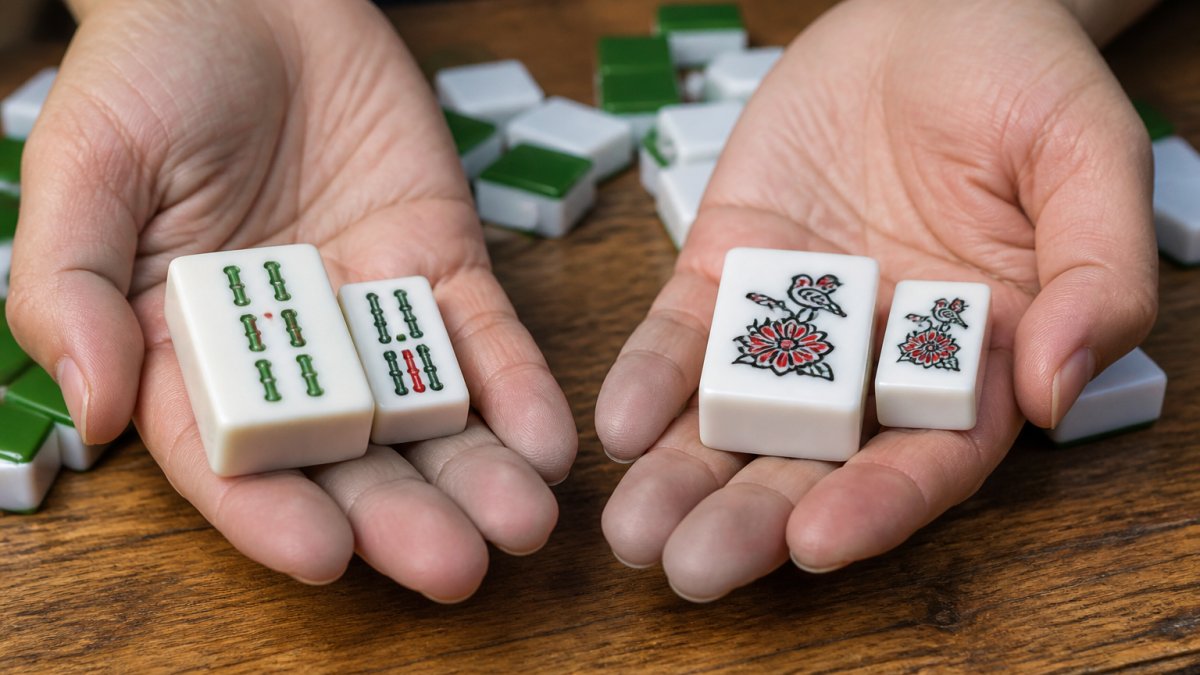
Plastic tiles are inexpensive and lightweight, making them portable. They feel hollow and thin in hand, and they wear quickly with regular play. The edges chip, and the surface loses grip. For casual players or beginners, plastic works fine.
Resin tiles offer a middle ground. They feel more substantial than plastic, resist chipping better, and age well with regular use. They're heavier than plastic but lighter than bone or wood.
Bone or bamboo tiles feel premium. They're heavier, smoother, and develop a patina with use. Serious players prefer them because they feel better in hand and last decades. They cost significantly more and require more careful handling.
Wood tiles are beautiful but heavy and prone to warping if exposed to humidity. They're best for display or occasional play, not regular use.
For your gift decision: If the recipient plays casually or infrequently, plastic or resin tiles are fine. If they play weekly or host games, resin or bone tiles justify the extra cost.
Weight also matters. Heavier tiles (bone, wood) feel more substantial and move more deliberately. Lighter tiles (plastic, resin) are easier to manipulate but feel less satisfying.
Storage, Portability, and the Mahjong Mat Factor
How your recipient stores and transports their set matters more than many gift-givers consider. A beautiful set that's difficult to store or carry often stays home, unused.
Storage cases protect tiles and keep them organized. A good case prevents tiles from scattering, keeps pieces from warping or cracking, and makes setup faster. Soft fabric bags are lighter and more portable. Hard cases offer better protection but take up more space.
Portability affects whether the set actually gets used. If your recipient travels to club meetings, a lightweight set with a carrying case matters. If they host games at home and rarely move the set, portability is less critical.
A mahjong mat deserves special attention. It's not always included in complete sets, but experienced players consider it essential. A mat provides a playing surface that helps tiles slide smoothly and prevents them from scattering. It protects the furniture underneath and creates a defined play area. For someone who plays regularly, a quality mat is as important as the tiles themselves.
Consider your recipient's living situation. An apartment dweller with limited storage needs a compact, portable set. Someone with a dedicated game room can accommodate a larger case and more accessories. The "best" set depends entirely on where and how they play.
Making Your Final Decision: Is It Worth It for Your Recipient?
A mahjong gift set is worth it when three conditions align: your recipient actually plays, you're buying the right version for their game, and the set matches their experience level and lifestyle.
Use this decision framework:
Do they play regularly? Weekly or more often means a complete set is worth the investment. Monthly or less often suggests a simpler or supplementary gift might be better.
Do they already own a set? If yes, consider accessories or themed gifts instead. Duplicating what they have wastes money and storage space.
Are they a beginner or experienced player? Beginners need affordable starter sets. Experienced players benefit from durability and material quality.
What version do they play? American Mahjong requires 152 tiles with English numerals. Chinese Mahjong requires 144 tiles with characters. Buying the wrong version creates an unusable gift.
Where do they play? Home players benefit from complete sets with cases and mats. Club players might already have access to shared sets and need personal accessories instead.
What's your budget? Mahjong sets range from inexpensive to premium. Match the price to the recipient's commitment level. A starter set for someone exploring the game beats a premium set they're not ready for.
If your recipient checks most of these boxes, regular player, needs their own set, plays American Mahjong, hosts games at home, then yes, a mahjong gift set is absolutely worth it. If they check fewer boxes, explore the alternatives we've covered. A thoughtful, targeted gift often means more than an expensive generic one.
Frequently Asked Questions
What should a complete mahjong gift set include?
A complete mahjong set typically includes 152 tiles (or 144 for some Chinese versions), racks to hold your tiles, pushers to move tiles on the table, and a storage case or fabric bag. For American Mahjong, you may also want a scoring pad and reference card. Check that the set includes all these components before purchasing, some gift sets are incomplete or lack proper storage, which affects long-term usability and portability.
Is a premium mahjong set worth the extra cost?
Premium sets justify their cost through superior tile material (heavier, more durable resin or bone), better racks and pushers, and attractive storage cases. If the recipient plays regularly or you want a set that lasts decades, premium quality pays off. For casual players or beginners, a mid-range set often delivers better value. Consider how frequently your recipient plays and whether they'll appreciate the aesthetic and tactile difference.
Is a mahjong set a good gift for a beginner?
A mahjong gift set can be excellent for beginners, but only if paired with clear rules or a learning guide. Beginners need a complete set with racks and pushers to learn proper tile handling and setup. However, starting with a mid-range set rather than premium is often smarter, beginners may not yet know their style preferences. Consider including a rules reference or pairing the set with instructional materials to maximize the gift's value.
How do I know which mahjong set to buy as a gift?
Start by identifying whether your recipient plays American or Chinese Mahjong, the tile counts and rules differ significantly. Next, assess their experience level and play frequency. Regular players benefit more from premium sets and storage solutions. Consider their space constraints and whether portability matters. Finally, think about aesthetics, traditional artwork, modern designs, or themed tiles all appeal to different players. A thoughtful gift matches both their playing style and personal taste.
Choosing the right gift for a mahjong enthusiast comes down to knowing your recipient's actual needs rather than assuming all players want the same thing. Whether you choose a complete set, accessories, or themed items from AmericaMahjongfun.com, the best gifts solve a specific problem or enhance an existing passion. Start by asking what version they play and how often they gather, those two answers will guide you toward a gift they'll actually use and appreciate.