
Table of Contents
- What Is the 1-4-7 Rule in Mahjong?
- 1-4-7 Rule vs. Other Wait Patterns
- The 1-4-7 Rule and Suit Patterns
- Mahjong Tile Efficiency Tips for Using 1-4-7
- Defensive Discarding in Mahjong and 1-4-7 Strategy
- American Mahjong Strategy Guide: Applying 1-4-7 Rules
- Regional Rule Set Variations
- Frequently Asked Questions
Last Updated: October 4, 2026
What Is the 1-4-7 Rule in Mahjong?
The 1-4-7 rule mahjong is a fundamental tile efficiency concept that helps players understand which tiles to keep and which to discard by identifying patterns in numerical sequences that make winning more likely.
Tiles numbered 1, 4, and 7 in any suit create the most flexible waiting patterns, allowing you to build sequences more easily and adapt to changing game conditions.
The Core Concept
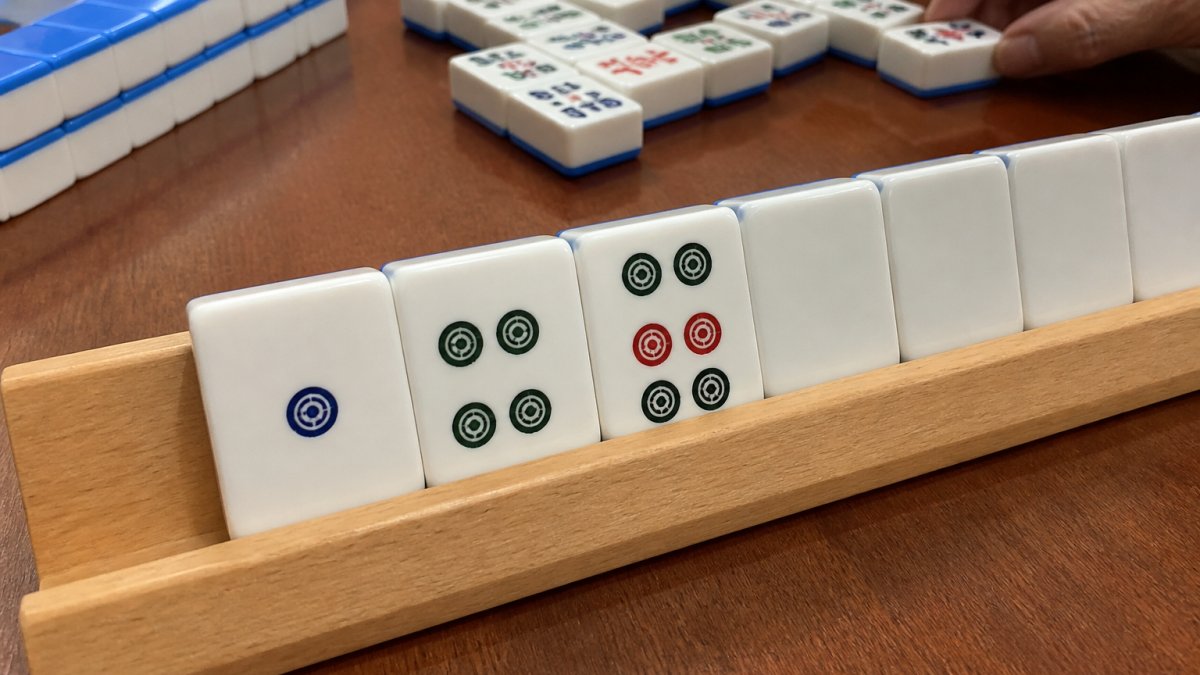
The 1-4-7 rule describes a mathematical principle about tile gaps. In a suit of nine tiles (1 through 9), the numbers 1, 4, and 7 sit at equal intervals, creating multiple ways to form winning sequences. These tiles act as bridges between different potential sequences.
A 1 can connect to sequences starting at 1, 2, or 3; a 4 to sequences starting at 2, 3, 4, 5, or 6; and a 7 to sequences starting at 5, 6, 7, 8, or 9. This flexibility is why experienced players value these numbers.
How It Applies to Tile Sequences
Tile sequences, or melds, require three consecutive tiles in the same suit. Holding 1-4-7 tiles keeps more winning paths available than scattered tiles. The rule applies across all three suits (bamboo, characters, and dots), but honors tiles don't use this pattern because they don't form sequences.
1-4-7 Rule vs. Other Wait Patterns
Not all wait patterns are equally effective. The 1-4-7 rule represents one type of strategic waiting. Understanding how it compares to other common wait types, edge waits, closed waits, and pair waits, helps you choose better discards and recognize which patterns your opponents are building.
The 2-5-8 and 3-6-9 Triads
The 1-4-7 rule is one of three triads: 2-5-8 and 3-6-9 work the same way mathematically. The 1-4-7 triad includes terminal tile 1, making it slightly safer defensively early in the game. The 2-5-8 and 3-6-9 triads sit entirely in mid-range. A hand built around one triad is more efficient than a hand mixing tiles from multiple triads.
How 1-4-7 Waits Compare to Edge, Closed, and Pair Waits
Four main wait types exist: 1-4-7 waits (two-sided, e.g., holding 3-4-5 wins with 2 or 6), edge waits (one-sided, e.g., holding 1-2 wins only with 3), closed waits (single tile, e.g., holding 5-5 wins only with another 5), and pair waits (two pairs, e.g., holding 3-3 and 7-7 wins with another 3 or 7). The 1-4-7 rule creates the most flexible wait type naturally.
1-4-7 waits rank highest in efficiency because they offer two winning tiles while using minimal hand space. The triads (1-4-7, 2-5-8, 3-6-9) guarantee flexibility, while scattered tiles often trap you in edge or closed waits.
Why This Pattern Matters
If an opponent discards 1-4-7 tiles early, they're probably committed to a 2-5-8 or 3-6-9 pattern instead. Stronger players commit to one triad and one wait type per suit, maximizing their chances of completing efficient winning patterns.
The 1-4-7 Rule and Suit Patterns
A strong hand develops one primary suit containing your winning sequences, with secondary suits providing flexibility. When you hold multiple 1-4-7 tiles across different suits, you can adapt as the game develops. While honors don't use the 1-4-7 pattern, holding three of the same honor creates a pair or pung.
Mahjong Tile Efficiency Tips for Using 1-4-7
Tile efficiency means getting maximum value from every tile in your hand. The 1-4-7 rule mahjong is your foundation, but applying it requires practice and awareness.
Recognizing Efficient Wait Patterns
Count how many different tiles could make you win. If only one tile wins, that's a dead-end pattern. The 1-4-7 rule helps create multi-tile waits. Discard dead tiles, those that don't contribute to any winning sequence, first.
Calculating Your Winning Chances
Track the discard pile constantly. If you need a 4 to win and three 4s are already discarded, your chances drop significantly. The 1-4-7 rule improves your odds because these tiles connect to more potential winning sequences.
Defensive Discarding in Mahjong and 1-4-7 Strategy
Defense means protecting yourself from other players' winning hands. The 1-4-7 rule applies to defense as much as offense.
Reading Opponent Hands
If an opponent discards several 1-4-7 tiles early, they're not building around that pattern. Watch which suits opponents focus on to predict which tiles they need. When an opponent calls a tile from the discard pile, they're completing a sequence or pair, revealing information about their hand structure.
Safe Tile Selection
If an opponent hasn't picked up any 1-4-7 tiles in bamboo, discarding a 4 of bamboo is relatively safe. Terminal tiles (1s and 9s) are generally safer in early game. Honors are typically safer than number tiles because they don't connect to sequences.
American Mahjong Strategy Guide: Applying 1-4-7 Rules
American Mahjong uses specific rules that differ from traditional versions. The 1-4-7 rule still applies, but understanding how modern rules interact with this pattern matters.
How Modern Rules Use This Pattern
Modern American Mahjong rules emphasize specific winning hand patterns. These patterns, listed in official reference guides, determine what combinations count as valid wins. The 1-4-7 rule helps you build hands that match these patterns efficiently.
Many winning patterns require sequences, which is where the 1-4-7 rule shines. When you understand tile efficiency using this pattern, you can spot which hands are achievable and which are dead ends.
The concealed hand concept (explained below) also benefits from 1-4-7 knowledge. Concealed hands require all four melds to be hidden until you win. The 1-4-7 rule helps you keep these hands flexible while building them secretly.
Concealed Hands and 1-4-7 Advantages
A concealed hand means you haven't called any tiles from the discard pile. All your melds remain hidden in your hand. These hands are harder to read and offer strategic advantages.
Building a concealed hand requires discipline. You must keep tiles that fit your pattern while discarding everything else. The 1-4-7 rule helps because these tiles offer more flexibility. You can adapt your hand as the game develops without telegraphing your strategy.
Opponents won't know your suit focus or your winning pattern. This uncertainty gives you an edge. When you finally win, your concealed hand earns bonus points under American Mahjong rules.
Regional Rule Set Variations
Mahjong rules vary significantly across regions, and the 1-4-7 rule applies differently depending on which ruleset you're playing. Understanding these variations helps you adapt your strategy and avoid costly mistakes when switching between game types.
How 1-4-7 Functions Across Major Rulesets
The 1-4-7 rule describes a mathematical principle about tile spacing, so the core concept is universal. However, how players use this principle depends heavily on their regional ruleset.
American Mahjong (Western Rules) American Mahjong uses a published hand reference guide listing all valid winning combinations. Most winning hands require sequences, where the 1-4-7 rule shines.
Riichi Mahjong (Japanese Rules) Riichi Mahjong is the most popular competitive format worldwide. The 1-4-7 rule applies here as a fundamental tile efficiency concept, but the game structure is different.
In Riichi, you declare "riichi" (a ready hand) when you're one tile away from winning. This declaration locks your hand, you can't change your discard strategy. The 1-4-7 rule becomes critical because you need to reach a ready state efficiently.
Riichi also uses the "furiten" rule: if you've previously discarded a tile that would win your hand, you can't win by calling that tile from the discard pile. The 1-4-7 rule helps you avoid furiten traps.
Key difference: Riichi emphasizes speed to ready and avoiding furiten violations. The 1-4-7 rule helps on both fronts.
Hong Kong Mahjong (Traditional Chinese Rules) Hong Kong Mahjong uses different winning hand patterns and scoring than American or Riichi versions. The 1-4-7 rule still applies as a tile efficiency concept, but hand requirements are more flexible.
Hong Kong Mahjong allows more varied winning combinations, including hands with all pairs, all sequences, or mixed patterns. The 1-4-7 rule helps you build any of these patterns efficiently.
Key difference: Hong Kong Mahjong is more flexible in hand patterns but more exposed in strategy. The 1-4-7 rule helps you build efficiently while managing the information you reveal.
Ruleset Comparison Table
| Aspect | American Mahjong | Riichi Mahjong | Hong Kong Mahjong |
|---|---|---|---|
| Hand Patterns | Fixed reference guide (published annually) | Any valid combination meeting scoring criteria | Flexible, varied patterns allowed |
| 1-4-7 Role | Builds efficient sequences within published patterns | Reaches ready state quickly; avoids furiten | Builds any pattern type efficiently |
| Concealment Value | High (bonus points for concealed hands) | Moderate (riichi declaration reveals readiness) | Low (melds are called frequently) |
| Tile Efficiency Priority | Medium (patterns are predetermined) | High (speed to ready is critical) | Medium (flexibility matters more than speed) |
| Furiten Rule | Not used | Critical (discarding winning tiles locks you out) | Varies by house rules |
| Best Use of 1-4-7 | Building primary sequences in published patterns | Reaching ready with maximum winning tiles | Adapting to flexible hand requirements |
Adapting Your Strategy by Ruleset
Playing American Mahjong? Focus on the published hand list. Use the 1-4-7 rule to identify which hands are achievable with your current tiles. Prioritize concealed hands because they earn bonuses. Discard tiles that don't fit your target pattern early, even if they're 1-4-7 tiles, because the hand list is fixed.
Playing Riichi Mahjong? Prioritize reaching a ready state. Use the 1-4-7 rule to build hands with multiple winning tiles. Track discards carefully to avoid furiten violations. Remember that declaring riichi locks your hand, so commit only when you have a strong ready with at least two winning tiles.
Playing Hong Kong Mahjong? Build flexibly. The 1-4-7 rule helps, but hand patterns are more forgiving. Expect opponents to call tiles frequently, so adjust your defensive strategy accordingly. Don't over-commit to one pattern early because you'll need to adapt as melds are revealed.
Why Ruleset Matters for 1-4-7 Strategy
The 1-4-7 rule is a universal principle, but how you apply it depends entirely on your ruleset. A strategy that works perfectly in American Mahjong might be suboptimal in Riichi, and vice versa. Players who understand these differences can switch between formats without losing their edge.
When learning a new ruleset, start by understanding how hand patterns work, then apply the 1-4-7 rule within that framework. This approach ensures you're building efficient hands regardless of which version you're playing.
Frequently Asked Questions
How does the 1-4-7 rule affect tile discarding?
The 1-4-7 rule influences which tiles you should keep and discard by showing you the most efficient wait patterns. When you're building toward a 1-4-7 sequence, holding one tile from this pattern gives you more winning tiles available. For example, if you keep a 1, you can win with a 4 or 7 later. Understanding this helps you discard less useful tiles safely and reduces the risk of helping opponents complete their hands.
Is the 1-4-7 rule used in American Mahjong?
Yes, the 1-4-7 rule applies in American Mahjong, though modern rules may interpret it slightly differently than traditional variants. American players use this numerical pattern to evaluate hand efficiency and determine which tiles offer the best winning chances. The 2-5-8 and 3-6-9 triads work the same way, giving you three distinct patterns to recognize and use strategically in your gameplay.
What is the secret to winning at Mahjong?
There's no single secret, but understanding tile efficiency patterns like 1-4-7 is fundamental. The best players balance offense (building efficient hands) with defense (reading opponents and discarding safely). They track the discard pile to predict what others need, recognize numerical patterns that improve their winning chances, and adjust their strategy based on hand composition and game position. Practice and observation are more valuable than any single rule.
Can you explain the 1-4-7 rule in simple terms?
The 1-4-7 rule describes a numerical pattern in Mahjong where tiles numbered 1, 4, and 7 in the same suit form a specific wait pattern. If you hold a 1 and a 4, winning with a 7 completes a sequence. This pattern repeats as 2-5-8 and 3-6-9 across all suits. Recognizing these patterns helps you quickly spot which tiles give you the most winning possibilities, making your hand more efficient and your decisions faster.